Product Details
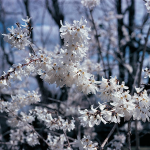
Ceanothus americanus is a compact, tough-as-nails, native shrub. It thrives in drought, does well in poor, sandy, or rocky soil, and, thanks to a deep root system, excels at controlling erosion on steep slopes. Its foliage—attractive, matte green leaves with slightly pubescent undersides, and aromatic when crushed—adds quiet beauty to the landscape throughout the growing season. A valuable pollinator plant, its airy clusters of delicate, fragrant, white flowers are abuzz with insects of all kinds, and hummingbirds too, from May into July. Its young twigs are noticeably yellow and provide winter interest.
Ceanothus is a genus of North American nitrogen-fixing, deciduous or evergreen shrubs and small trees in the Buckthorn family (Rhamnaceae). They are water-thrifty, salt-tolerant, xeric plants that grow in full sun or part shade in dry, gravelly or sandy soils, and are excellent pollinator and wildlife forage plants. Considered a fire-wise choice for home landscapes, Ceanothus shrubs will re-grow from deep roots if burned. Within the genus, the greatest diversity occurs on the West Coast, where numerous species, cultivars, and hybrids are collectively known as California Lilacs for their vivid, blue flower clusters. White-flowered species include Buckbrush (C. cuneatus), a signature chaparral ecosystem plant that ranges from southern Washington into Mexico, and New Jersey Tea (C. americanus) inhabiting forest clearings, sandy or rocky slopes, dry plains, and coastal areas throughout the East and Midwest. Plant Ceanothus species in native plant gardens, pollinator gardens, as erosion control, and in low-maintenance/low-water landscapes that deer do not frequent.
For more information on growing and care, click Growing Guide.
Shipping
HOW PLANTS ARE SHIPPED
The size of the plants we ship has been selected to reduce the shock of transplanting. For some, this means a large, bareroot crown. Others cannot travel bareroot or transplant best if grown in containers. We ship these perennials and annuals in 1 pint pots, except as noted. We must point out that many perennials will not bloom the first year after planting, but will the following year, amply rewarding your patience. We ship bulbs as dormant, bare bulbs, sometimes with some wood shavings or moss. Shrubs, Roses, vines, and other woody plants may be shipped bareroot or in pots. The size of the pot is noted in the quick facts for each item.
WHEN WE SHIP
We ship our bulbs and plants at the right time for planting in your area, except as noted, with orders dispatched on a first-come, first-served basis by climate zone. We also ship a wide range of containers and planters, tools, supplies, fertilizers, garden wear, garden decor items, as well as indoor decorations like wreaths and dried bouquets when available. Estimated dates for shipping are indicated in the green Shipping Details box for each item. Please supply a street address for delivery. Kindly contact us with two weeks notice, if you'll be away at the expected time of delivery.
OUR GUARANTEE
We guarantee to ship plants that are in prime condition for growing. If your order is damaged or fails to meet your expectations, we will cheerfully replace or refund it. Please contact our Customer Service Department at 1-800-503-9624 or email us at [email protected]. Please include your order number or customer number when contacting us.
Reviews
There are no reviews yet. Be first to Write a Review.
Growing guide
Latin Name Pronunciation: see-uh-no' thus
Ceanothus is a genus of North American nitrogen-fixing, deciduous or evergreen shrubs and small trees in the Buckthorn family (Rhamnaceae). They are water-thrifty, salt-tolerant, xeric plants that grow in full sun or part shade in dry, gravelly or sandy soils, and are excellent pollinator and wildlife forage plants. Plant Ceanothus species in native plant gardens, pollinator gardens, as erosion control, and in low-maintenance/low-water landscapes that deer do not frequent.
Light/Watering: Full sun or partial shade. Plants tolerate dry growing conditions and prefer to be grown on the dryer side. Be careful not to overwater.
Fertilizer/Soil: Grow in light, well-drained soil, and fertilize in early spring with a balanced fertilizer (such as 10-10-10).
Pruning: Prune after flowering to maintain the shape of your shrub.
 Asclepias tuberosa