
Keystone Plants
The term “keystone plants” is derived from the architectural marvel of the traditional stone arch, which is held together at the top by a single, central stone. If that stone is removed, the entire structure collapses. In the same manner, if a keystone plant is absented from its native environment, the web of life that sustains a particular area may fall apart.
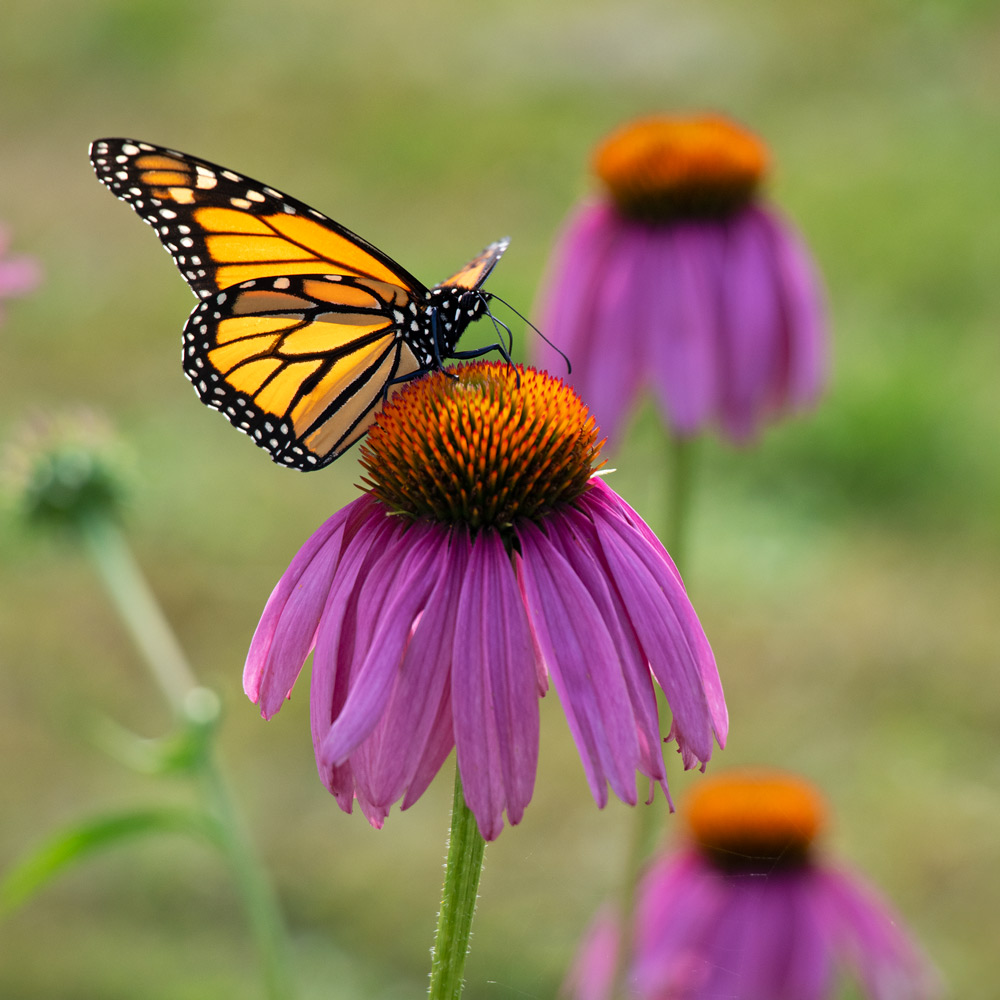
Keystone plants are the select few native species that provide food for the greatest number of pollinating insects and for specialist insects that can feed on no other plants. Keystone plants are also hosts for the caterpillars that most songbirds rely upon for survival.
The biodiversity of a particular region depends greatly on its native, keystone plants. As more and more natural habitat is bulldozed to make way for houses, shopping plazas, and highways, it becomes essential that backyard gardeners do their utmost to restore it. We hope you will choose an array of keystone plants to add to your garden and invite neighbors and friends to do the same.
Here we highlight a handful of keystone plants for EPA Ecoregion 8, the Eastern Temperate Forest, where we garden. These plants support habitat health and create beauty wherever they grow.
Learn more by reading our blog post: Keystone Species, Key to Supporting Wildlife
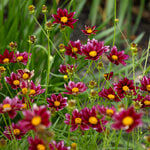
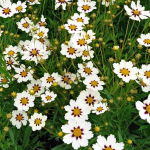
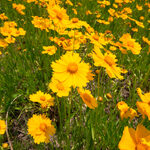 Coreopsis lanceolata
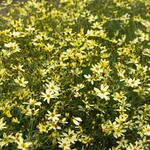
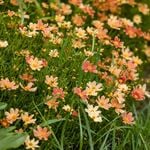

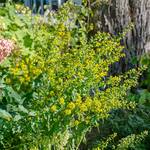 Solidago caesia
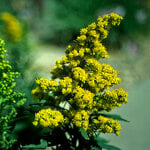

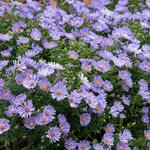
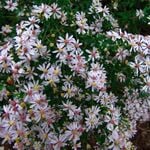 Symphyotrichum cordifolium
 Symphyotrichum laeve 'Bluebird'