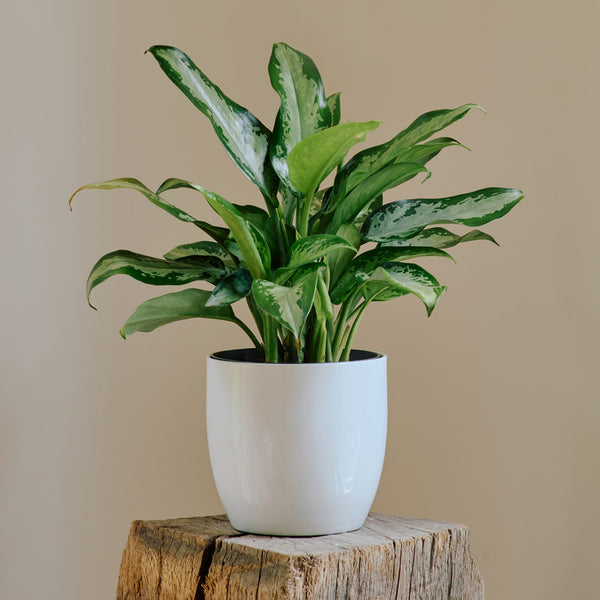
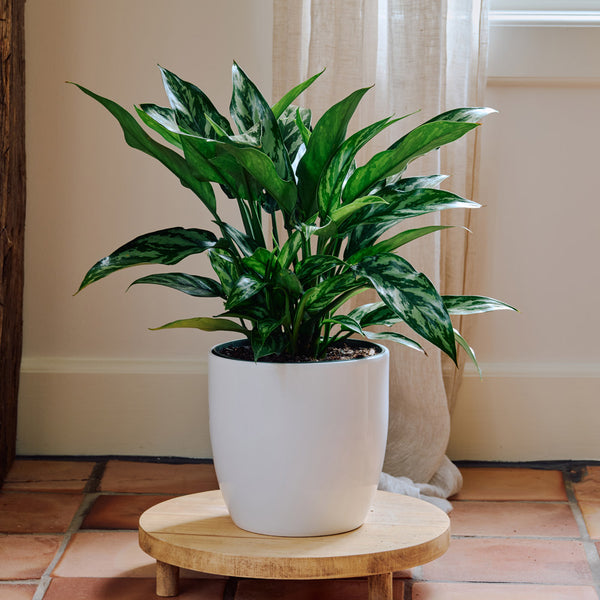
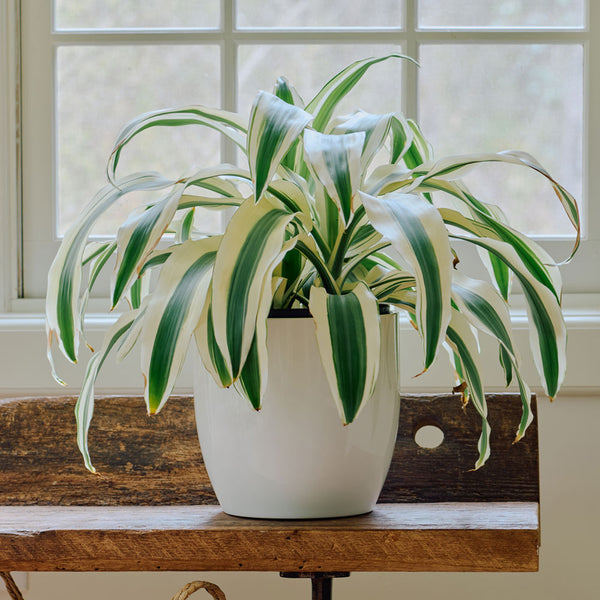
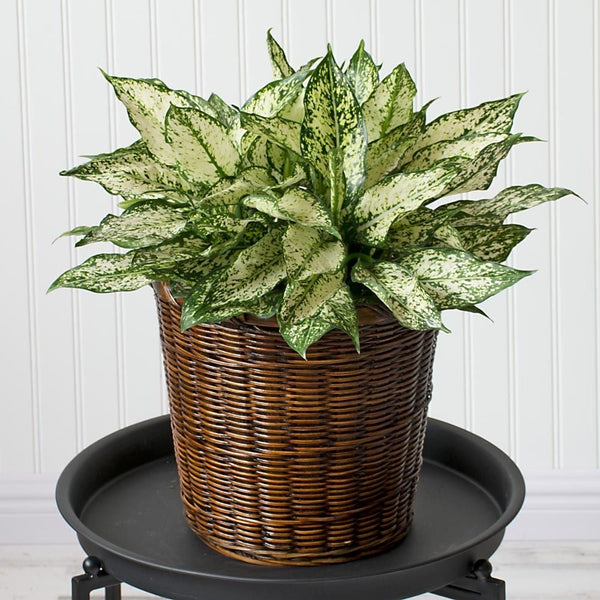
Dracaena 'Jade Jewel'
Sold Out:
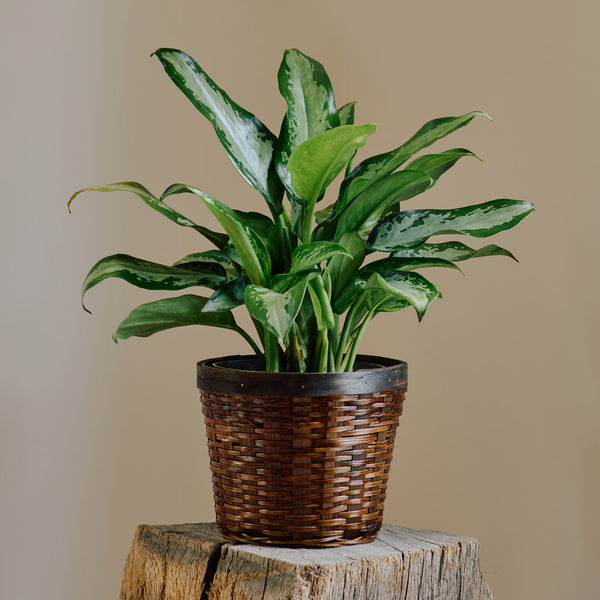
Dracaena 'Jade Jewel'

Dracaena 'Jade Jewel'

Quick Facts
Common Name: Corn Plant
Hardiness Zone: 1-13S/W Exposure: Houseplants - Bright Indirect Light
Mature Height: 12-14"
Read our Growing Guide Ships as: NURSERY POT AND CACHEPOT
Delivery Window

Product Details

Product Details

Shipping

Shipping

HOW PLANTS ARE SHIPPED

The size of the plants we ship has been selected to reduce the shock of transplanting. For some, this means a large, bareroot crown. Others cannot travel bareroot or transplant best if grown in containers. We ship these perennials and annuals in 1 pint pots, except as noted. We must point out that many perennials will not bloom the first year after planting, but will the following year, amply rewarding your patience. We ship bulbs as dormant, bare bulbs, sometimes with some wood shavings or moss. Shrubs, Roses, vines, and other woody plants may be shipped bareroot or in pots. The size of the pot is noted in the quick facts for each item.

WHEN WE SHIP

We ship our bulbs and plants at the right time for planting in your area, except as noted, with orders dispatched on a first-come, first-served basis by climate zone. We also ship a wide range of containers and planters, tools, supplies, fertilizers, garden wear, garden decor items, as well as indoor decorations like wreaths and dried bouquets when available. Estimated dates for shipping are indicated in the green Shipping Details box for each item. Please supply a street address for delivery. Kindly contact us with two weeks notice, if you'll be away at the expected time of delivery.

OUR GUARANTEE

We guarantee to ship plants that are in prime condition for growing. If your order is damaged or fails to meet your expectations, we will cheerfully replace or refund it. Please contact our Customer Service Department at 1-800-503-9624 or email us at [email protected]. Please include your order number or customer number when contacting us.

Reviews

Reviews

There are no reviews yet. Be first to Write a Review.

Growing guide

Growing guide
Print Grow Guide

Latin Name Pronunciation: druh-see' nuh

Dracaena is a varied genus of trees and succulent shrubs with strappy or sword-like foliage originating in tropical regions of Africa, Asia, northern Australia, and Central America, that now includes species formerly classified as Sansevieria (Snake Plants). Leaves contain saponins, compounds that are toxic to dogs, cats, and other pets if ingested. If accidentally ingested, Draceana Plants can cause vomiting, excessive salivation, loss of appetite, depression, and dilated pupils. While they may cause irritation, they are considered non-toxic to humans.

Light: Draceanas do best in medium to bright, indirect or filtered light, or morning light from an east-facing window. Although they will tolerate lower light levels, such as near a north-facing window, they will reach their best potential in brighter situations. Prolonged exposure to strong direct sunlight may scorch the leaves.

Watering: Dracaenas with flexible leaves (D. fragrans, D. marginata, D. reflexa) grow best when their soil is kept evenly moist during the growing season, without allowing the root ball to dry out completely. The stiff-leaved Snake Plant species formerly classified as Sansevieria, being drought-adapted, prefer much drier conditions and are highly susceptible to root rot if overwatered. Let soil dry out thoroughly before watering.

During winter, when growth slows or stops, water only when the soil feels dry about 1" below the surface. Use tepid water, and always empty excess water from saucers or cachepots to prevent roots from sitting in water.

Temperature: These adaptable plants do fine in typical, daytime household temperatures (65-75°F), and prefer no cooler than 55°F at night.

Fertilizer: Apply a balanced (18-18-18), water-soluble houseplant fertilizer diluted to half strength once a month during the growing season (generally April into September). Do not fertilize in winter.

Humidity: Moderate humidity is beneficial; leaf tips may turn brown if air is too dry. Keep away from radiators and vents that blow dry air from heating or air conditioning systems. Mist a few times a week to increase humidity, or set plants on top of pebbles in a tray with water (water level should be just below pebbles to prevent saturating soil in the pot), or run a humidifier nearby. Occasionally wiping leaves with a damp cloth to remove dust is beneficial.


Videos

Videos
How Often Does My Houseplant Need Water?
When Is It Time to Repot a Houseplant?
How Do I Repot My Houseplant?
What's Wrong With My Houseplant?